
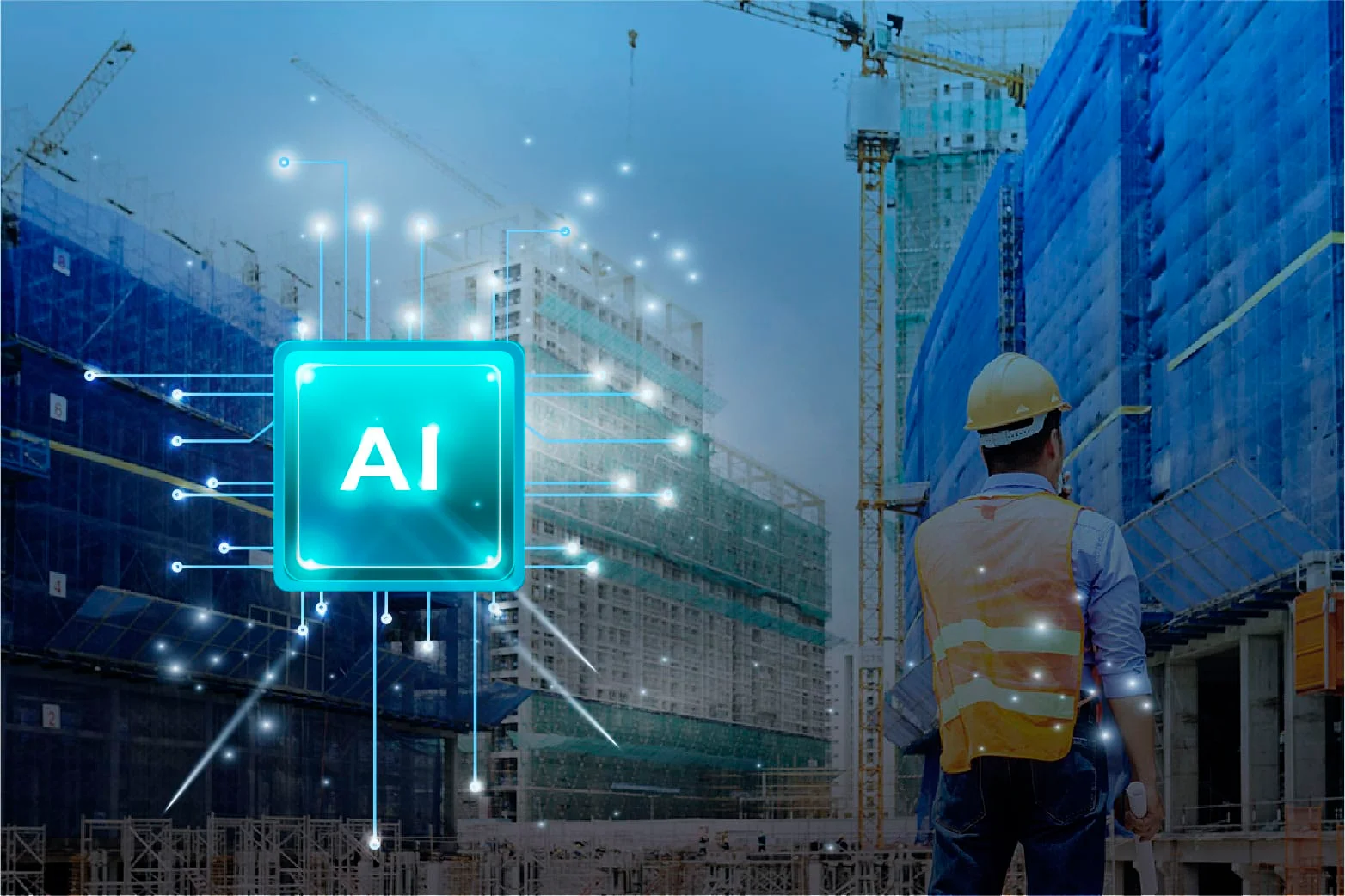
Construction didn’t change overnight. It crept forward. One tool at a time. One process was replaced quietly because it worked better.
For a long time, building was about muscle, experience, and paper plans that were already outdated by the time they reached the site trailer. Today, that’s no longer enough. Projects are bigger, timelines are tighter, and mistakes cost more than they ever did before. Automation stepped in because it had to.
And despite what people assume, it didn’t show up to replace workers. It showed up to fix inefficiencies everyone was already tired of dealing with.
Seeing the Site Clearly Before Anything Breaks Ground
Ask anyone in construction where projects usually go wrong, and the answer is almost always the same: the early stages. Miss something in the ground, misunderstand elevations, or rely on incomplete data, and the entire schedule starts wobbling.
That’s why modern surveying services in Nashville look nothing like they did a decade ago. Instead of slow, manual data collection, today’s surveying relies on drones, laser scanning, and digital modeling that capture the site as it actually exists — not how someone assumes it looks on paper.
The difference is noticeable immediately. Engineers can rotate 3D site models, planners can test scenarios before committing to them, and contractors aren’t left guessing when utilities don’t show up where the drawings said they would. Automation turns uncertainty into usable information, early enough for it to matter.
Automation Isn’t Loud — It’s Subtle and Constant
Not every automated change rolls onto the job site with flashing lights. Some of the biggest improvements happen quietly.
Drones now handle inspections that once required lifts, ladders, and unnecessary risk. Software tracks progress without waiting for end-of-day reports. Machines assist with grading and layout, reducing the small inconsistencies that add up to big problems later.
What this really changes is consistency. Automated systems don’t get tired. They don’t rush to meet a deadline. They repeat tasks the same way every time, which is exactly what complex construction projects need.
Safety Improves When Fewer Guesswork Decisions Are Needed
Construction will never be risk-free, but automation has made job sites noticeably safer. When machines handle repetitive or hazardous tasks, people spend less time in dangerous situations. That’s not theory — it’s happening daily.
Sensors and monitoring systems now flag unsafe conditions before they escalate. Equipment performance is tracked so failures don’t come out of nowhere. Even weather-related risks are easier to plan around when systems can predict delays instead of reacting to them.
The result isn’t just fewer accidents. It’s a calmer site. Better planning. Fewer emergency decisions made under pressure.
A Real Example of Automation at Scale
Automation shows its real value on projects that don’t have room for error. Large developments with multiple stakeholders, tight urban footprints, and overlapping timelines demand accuracy from day one.
That’s where Pape-Dawson surveying services for the Nashville Yards project stand out as a practical example of automation working the way it’s supposed to. Advanced surveying methods were used to capture detailed site conditions and support infrastructure planning across a complex, multi-use development.
Instead of fragmented data and constant revisions, teams worked from coordinated, reliable information. Surveying data flowed into design decisions, which flowed into construction planning. Fewer disconnects. Fewer late-stage fixes. Automation didn’t replace expertise, it gave it better footing.
Why Developers and Contractors Are Paying Attention
There’s a reason automation adoption keeps accelerating. It solves problems the industry has struggled with for decades.
Projects move faster because fewer mistakes reach the field. Costs are easier to control because rework drops. Communication improves when everyone works from the same digital source instead of conflicting documents.
Even bidding and scheduling become more realistic when site conditions are clearly understood upfront. Automation removes a lot of the “we’ll figure it out later” mentality — and that’s a good thing.
This Isn’t About the Future — It’s About Now
Automation isn’t some distant trend that construction companies might adopt someday. It’s already here, woven into how modern projects are planned and delivered.
The firms doing well aren’t chasing technology for the sake of it. They’re using automation where it makes sense — surveying, coordination, monitoring — and letting experienced professionals do what they’ve always done best: solve problems.
Construction still depends on people. That hasn’t changed. What has changed is the quality of information those people have in their hands.